
 11
11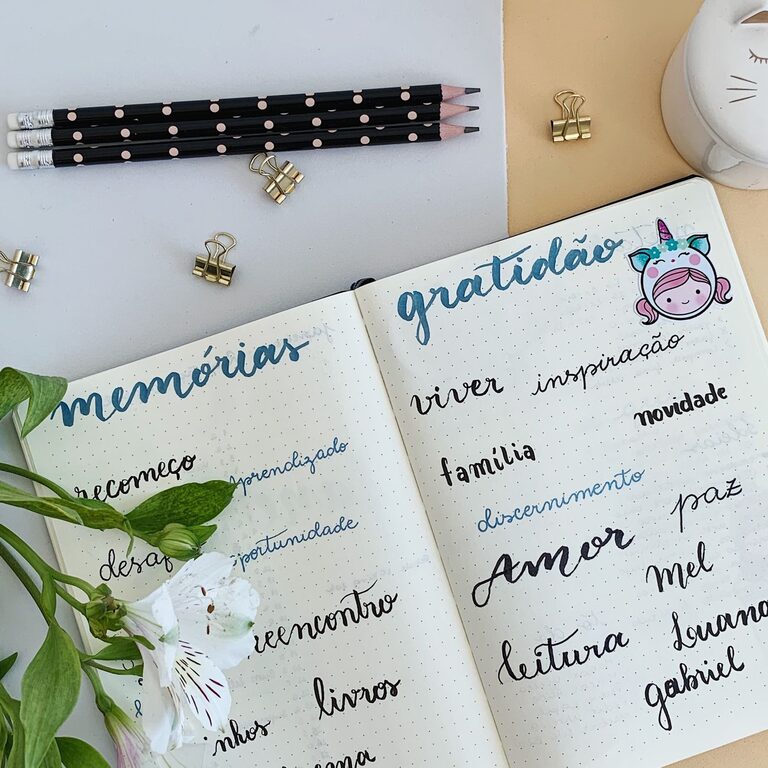
Starting a gratitude journal is a powerful and accessible way to cultivate a more positive outlook and improve your overall well-being. By regularly reflecting on the things you appreciate in your life, you can enhance your mood, reduce stress, and increase your resilience. If you’re new to journaling or unsure where to begin, this guide will walk you through the steps to create a gratitude journal that fits your lifestyle.
A gratitude journal is a personal record where you write down things you are thankful for. This practice encourages you to focus on positive experiences, big or small, which can help shift your mindset toward appreciation and contentment.
Before you start, it’s helpful to understand why people keep gratitude journals:
– Improves mental health: Regular gratitude practice can reduce feelings of anxiety and depression.
– Enhances sleep quality: Reflecting on positive moments before bedtime promotes better rest.
– Strengthens relationships: Recognizing others’ kindness encourages more meaningful connections.
– Boosts self-esteem: Appreciating your achievements fosters a healthier self-image.
– Encourages mindfulness: Being present and noticing good things helps lower stress levels.
Pick a notebook or digital app that you enjoy using. Some prefer a simple blank notebook, while others like planners or apps designed for journaling. The key is to use something that feels inviting and easy to access daily.
Consistency matters more than timing. Decide whether you want to write in the morning to set a positive tone or in the evening to reflect on your day. Even five minutes each day can make a difference.
Start small — write down 3 to 5 things you are grateful for each day. They can be specific events, people, simple pleasures, or even qualities you appreciate in yourself.
Instead of vague statements like “I’m grateful for my family,” try more detailed entries like “I’m grateful for the heartfelt conversation I had with my sister today.” Specificity makes your reflections more meaningful.
Sometimes it can be challenging to think of things to write. Here are some prompts to get you started:
– What made me smile today?
– What is something I often take for granted?
– Who is someone that helped me recently?
– What’s a recent accomplishment I’m proud of?
– What natural beauty did I notice today?
Along with what you are thankful for, note how these things made you feel. This helps deepen the emotional impact of your gratitude practice.
Periodically revisit your previous entries. This can remind you of positive moments and reinforce your gratitude mindset.
– Keep it accessible: Store your journal where you can easily reach it.
– Make it enjoyable: Use colored pens, stickers, or drawings if that motivates you.
– Be honest: Your journal is for you—there’s no need to write what you think you should be thankful for.
– Don’t stress about perfection: Missing a day or two doesn’t mean failure; just keep going.
– Share if you want: Sometimes sharing your gratitude with friends or family can enhance the experience, but it’s optional.
– “I don’t have anything to be grateful for.” Everyone has small positives, even on tough days. Focus on simple things like a warm cup of coffee, a kind word, or a brief moment of peace.
– “I forget to write every day.” Tie your journaling habit to an existing routine, such as after brushing your teeth or before going to bed.
– “It feels repetitive.” Challenge yourself to find new things to appreciate each day or focus on different aspects like emotions, experiences, or people.
Starting a gratitude journal is a simple yet impactful practice that anyone can do. Over time, it can help you notice the good in your life more easily and foster a sense of contentment and joy. Remember, the goal isn’t to ignore challenges but to balance them with a recognition of the positives. Give it a try—you might be surprised by the shift in your perspective.
—
If you’re ready to begin, grab your favorite notebook and start writing your first entry today. Happy journaling!