
 11
11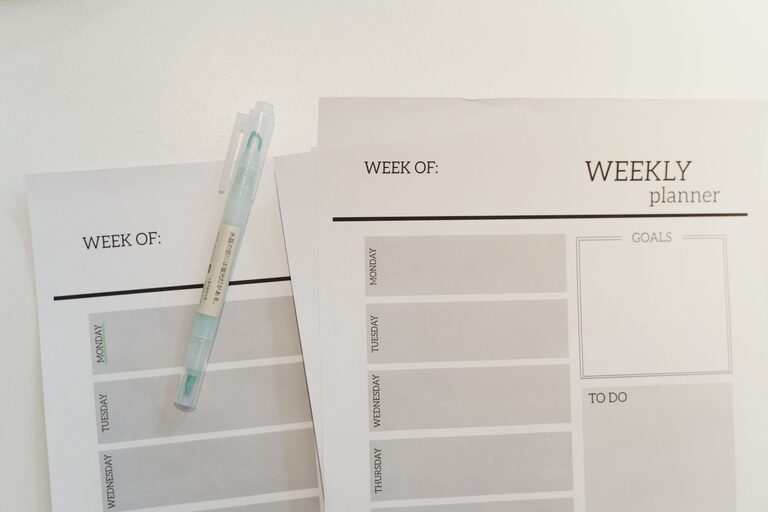
Setting weekly goals is a powerful way to boost your productivity and keep your tasks organized. However, if your goals are too ambitious or vague, you might feel overwhelmed or discouraged. Creating realistic weekly goals helps you stay motivated and make steady progress. In this post, we’ll explore practical strategies to set achievable weekly goals you can confidently work toward.
Weekly goals break down larger objectives into manageable steps. This makes tasks less intimidating and helps you focus on what’s important each week. Realistic goals encourage consistency and reduce stress because you know your targets are achievable within the given timeframe.
Unrealistic goals, on the other hand, can lead to frustration and burnout. They may cause you to procrastinate or give up entirely. Striking the right balance in goal-setting is key to maintaining steady progress.
Start by reviewing your bigger goals—whether they involve your career, education, health, or personal growth. Knowing your long-term objectives helps you create weekly goals that contribute directly to those outcomes.
For example, if your long-term aim is to improve writing skills, a weekly goal could be writing a short article or a few pages each week.
Look at your schedule for the week and honestly assess how much time you can dedicate to your goals. Avoid overloading your agenda. Remember to factor in work, family, rest, and leisure.
Use a planner or calendar to block out dedicated time slots for your tasks. Realistic goals fit within the actual time you have, not just what you wish you had.
Vague goals like “exercise more” or “read more” are hard to track. Instead, specify what you want to achieve, such as “walk 30 minutes five times this week” or “read two chapters of a book.”
Specific, measurable goals help you monitor progress and stay motivated. They also allow you to celebrate small wins.
Decide which goals are most important for the current week. Trying to accomplish too many things at once can dilute your focus.
A helpful tip is to choose 3–5 key goals each week. This keeps you focused without feeling overwhelmed.
Think ahead about any challenges that might interfere with your goals. This could include busy workdays, appointments, or unexpected events.
Plan how to adapt if disruptions occur. For example, if you plan to exercise in the morning but have early meetings, consider an evening workout instead.
Assign deadlines to each weekly goal to create a sense of urgency and structure. Deadlines should be flexible enough to accommodate changes, but clear enough to keep you accountable.
Document your weekly goals in a notebook, app, or journal. Writing down goals reinforces commitment and makes it easy to review your progress.
Consider using goal-tracking apps or simple checklists to stay organized.
Acknowledge your progress, no matter how small. Completing even a minor task moves you closer to your overall objective. Celebrating achievements boosts morale and encourages consistency.
At the end of each week, reflect on what went well and what could improve. Adjust your next week’s goals accordingly. This ongoing evaluation helps you stay realistic and focused.
Place your goals somewhere you can see daily—on a whiteboard, sticky notes, or your phone. This constant reminder helps maintain focus and motivates actionable steps.
Don’t let the desire for perfect results stop you from making progress. Accept that some weeks may be more productive than others. The key is consistent effort, not perfection.
| Goal | Tasks | Deadline |
|—————————–|————————————|——————-|
| Improve Fitness | Walk 30 mins on Monday, Wednesday, Friday | Friday, 6 PM |
| Enhance Skills | Complete two online course modules | Sunday, 9 PM |
| Declutter Workspace | Organize desk and files | Thursday, 7 PM |
| Read for Personal Growth | Read two chapters from selected book | Sunday, 8 PM |
This plan breaks down goals into clear tasks with deadlines, making them easier to follow.
Setting realistic weekly goals is an effective way to manage your time and achieve steady progress in any area of life. By reflecting on your priorities, planning realistically, and regularly reviewing your progress, you can build habits that lead to long-term success.
Remember, the goal is to work smarter, not harder. Start small, stay consistent, and celebrate each step forward. Your weekly goals will become valuable milestones on your journey to reaching your full potential.