 11
11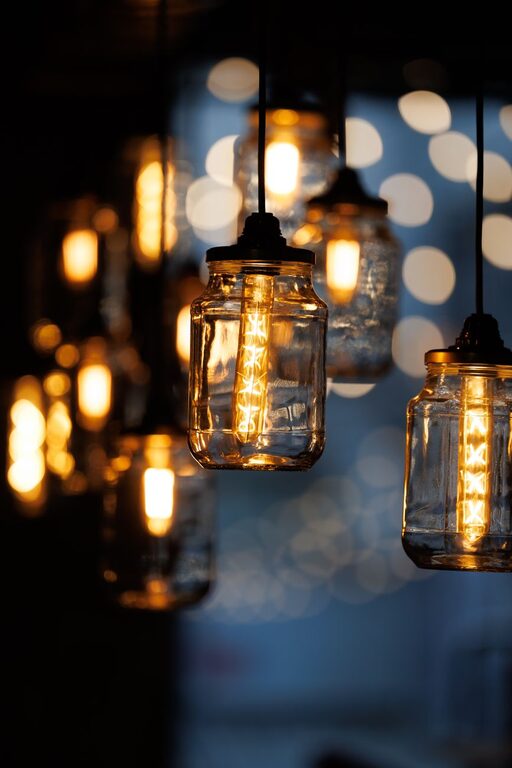
Creating a comfortable atmosphere in your home starts with thoughtful lighting choices. Good lighting not only illuminates your space but also sets the mood, supports your activities, and affects your overall well-being. Whether you’re redesigning a room or simply updating your lighting fixtures, choosing the right home lighting involves more than picking the brightest bulb. This guide will help you understand the essentials of comfortable lighting and offer practical tips to make your home brighter and cozier.
Lighting impacts more than visibility. It influences how a space feels—warm, cool, inviting, or clinical. Comfortable lighting reduces eye strain, enhances your mood, and complements your home’s style. Poor lighting, on the other hand, can cause headaches, fatigue, or discomfort. Understanding the qualities of light and how they affect comfort is the first step before making any lighting decisions.
Color temperature is measured in Kelvins (K) and describes the warmth or coolness of light.
– Warm light (2700K–3000K): Creates a cozy, inviting atmosphere and is perfect for living rooms, bedrooms, and dining areas.
– Neutral light (3500K–4100K): Provides a balanced, natural look that works well in kitchens, bathrooms, and workspaces.
– Cool light (5000K–6500K): Mimics daylight and is ideal for reading areas or places where bright, clear light is needed.
For comfort, many prefer warm or neutral light for daily living spaces.
Brightness is measured in lumens. It’s important to select lighting that is bright enough for the task but not glaring.
– For general room lighting, aim for about 1,500–3,000 lumens.
– Task lighting (e.g., for reading or cooking) usually requires 400–800 lumens.
– Consider dimmable lights to adjust brightness depending on time of day and activity.
Using multiple light sources in a room helps create a comfortable and flexible lighting scheme. Think about combining:
– Ambient lighting: Overall illumination from ceiling lights, chandeliers, or LED downlights.
– Task lighting: Focused light for activities like reading, cooking, or working.
– Accent lighting: Highlights room features or decorations, such as spotlights or wall sconces.
Fixtures with shades, frosted glass, or fabric diffusers can spread light evenly, avoiding harsh shadows and glare.
LED bulbs are energy-efficient, long-lasting, and come in various color temperatures. Look for bulbs labeled “warm white” or “soft white” for comfort.
Lamps with adjustable arms or dimmers allow you to control light direction and brightness. This flexibility enhances comfort throughout the day.
For example:
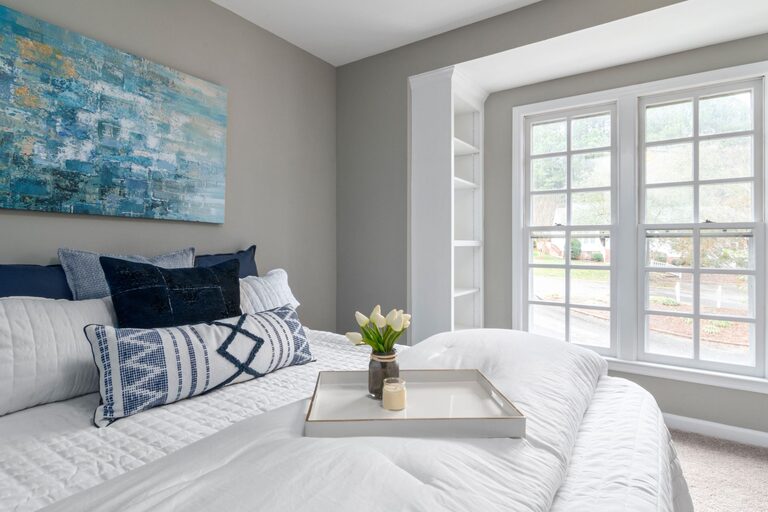
– Opt for soft, warm lights and lamps in relaxing spaces like bedrooms.
– Use bright task lights and cool-toned bulbs in offices or kitchens.
– Use a combination of ambient overhead lighting and floor or table lamps.
– Choose warm light bulbs to create a welcoming environment.
– Include dimmers to adjust the mood for reading or watching TV.
– Bright, neutral lighting over countertops and cooking areas ensures safety and clarity.
– Under-cabinet lights add focused illumination.
– Avoid overly cool or harsh lights that can create a sterile feel.
– Soft, warm lighting promotes relaxation. Bedside lamps with warm LED bulbs work well.
– Use dimmable lights to ease into bedtime.
– Avoid bright overhead lighting right before sleep.
– Bright, neutral light near mirrors helps with grooming.
– Consider layered lighting such as wall sconces to reduce shadows on your face.
– Avoid overly blue or cool lights to increase comfort.
– Mind natural light: Maximize daylight during the day by positioning mirrors and choosing light window treatments.
– Avoid glare: Position lights to prevent direct glare into eyes or reflective surfaces.
– Maintain lighting fixtures: Clean lampshades and bulbs regularly—they can dim over time due to dust.
– Consider smart lighting: Smart bulbs and systems can be programmed to adjust light color and brightness through the day.
Choosing comfortable home lighting takes thought but pays off in making your living spaces more enjoyable and relaxing. By paying attention to color temperature, brightness, layering, and fixture type, you can create a lighting environment that supports your lifestyle and enhances every room. Take time to experiment with different lighting setups—your eyes and mood will thank you!